
900 sq.ft
Completed
Shakti Mills, Mumbai
Hill View City Mall – Kampala, Uganda
A Contemporary Landmark Rooted in Heritage
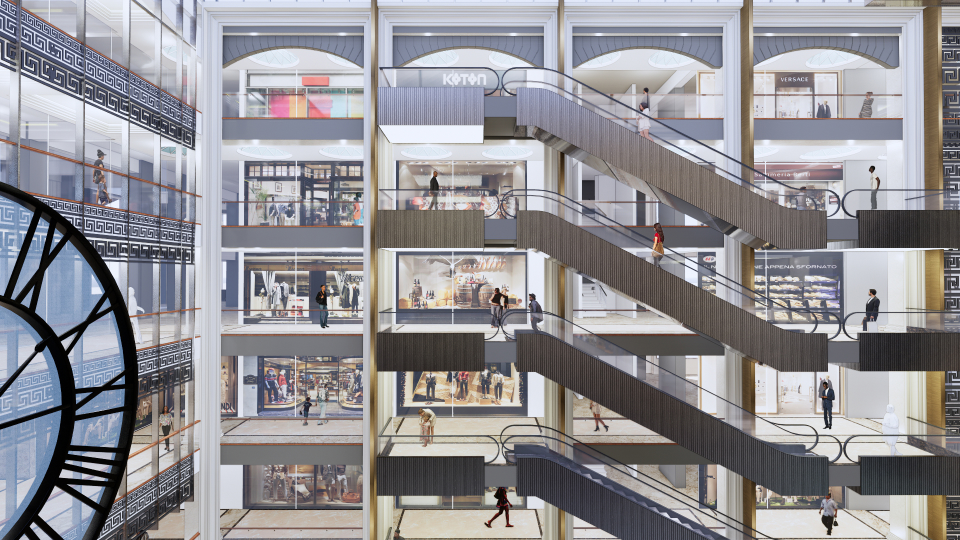
Hill View City Mall was envisioned to be the largest commercial complex in Kampala—a vibrant urban destination that would bring together a wide spectrum of retail outlets, fine-dining restaurants, theatres, food courts, and a banquet facility under one roof. More than just a mall, it was conceived as a cultural and social hub, reflecting the aspirations of a growing city while respecting its roots.
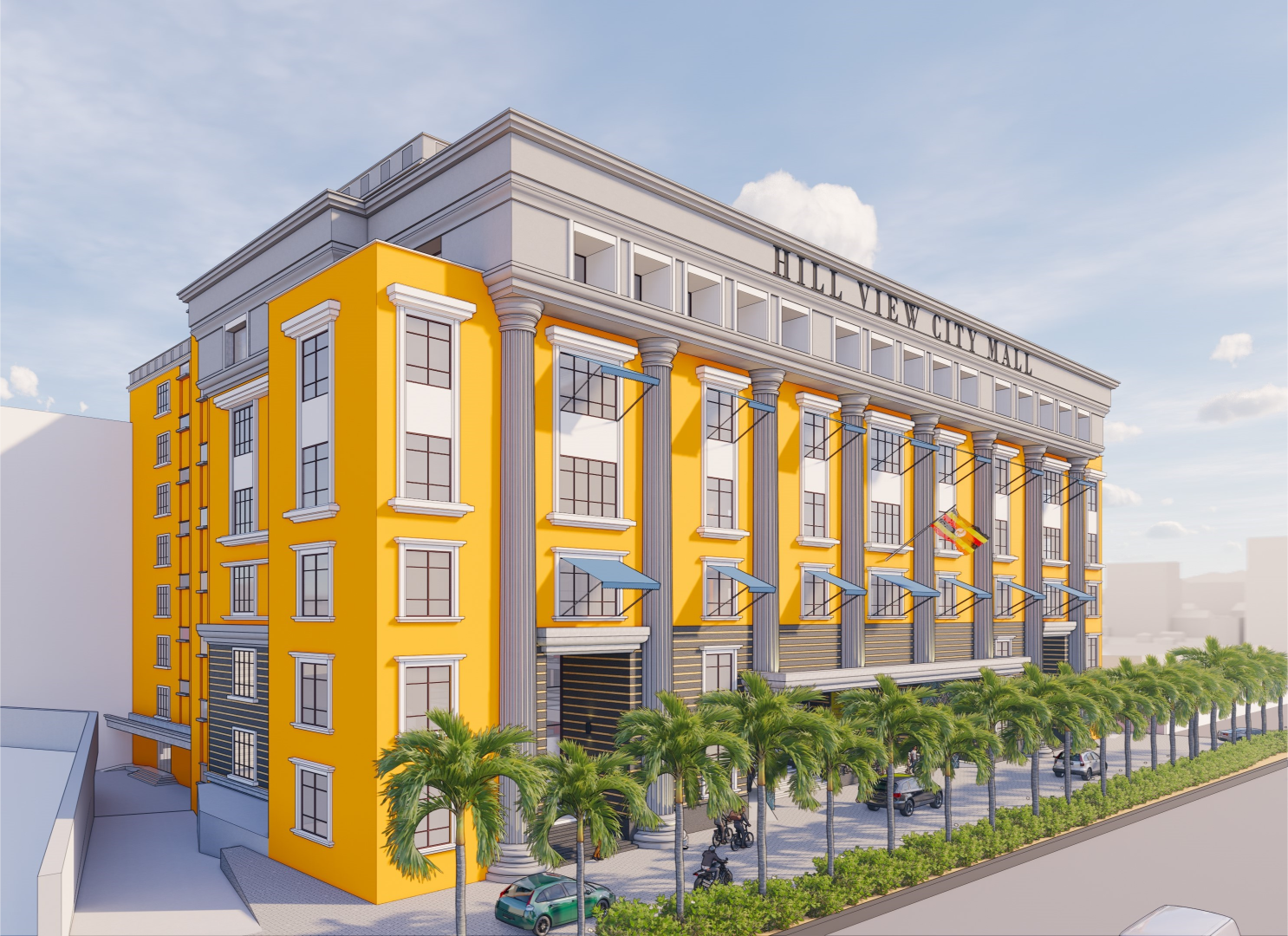
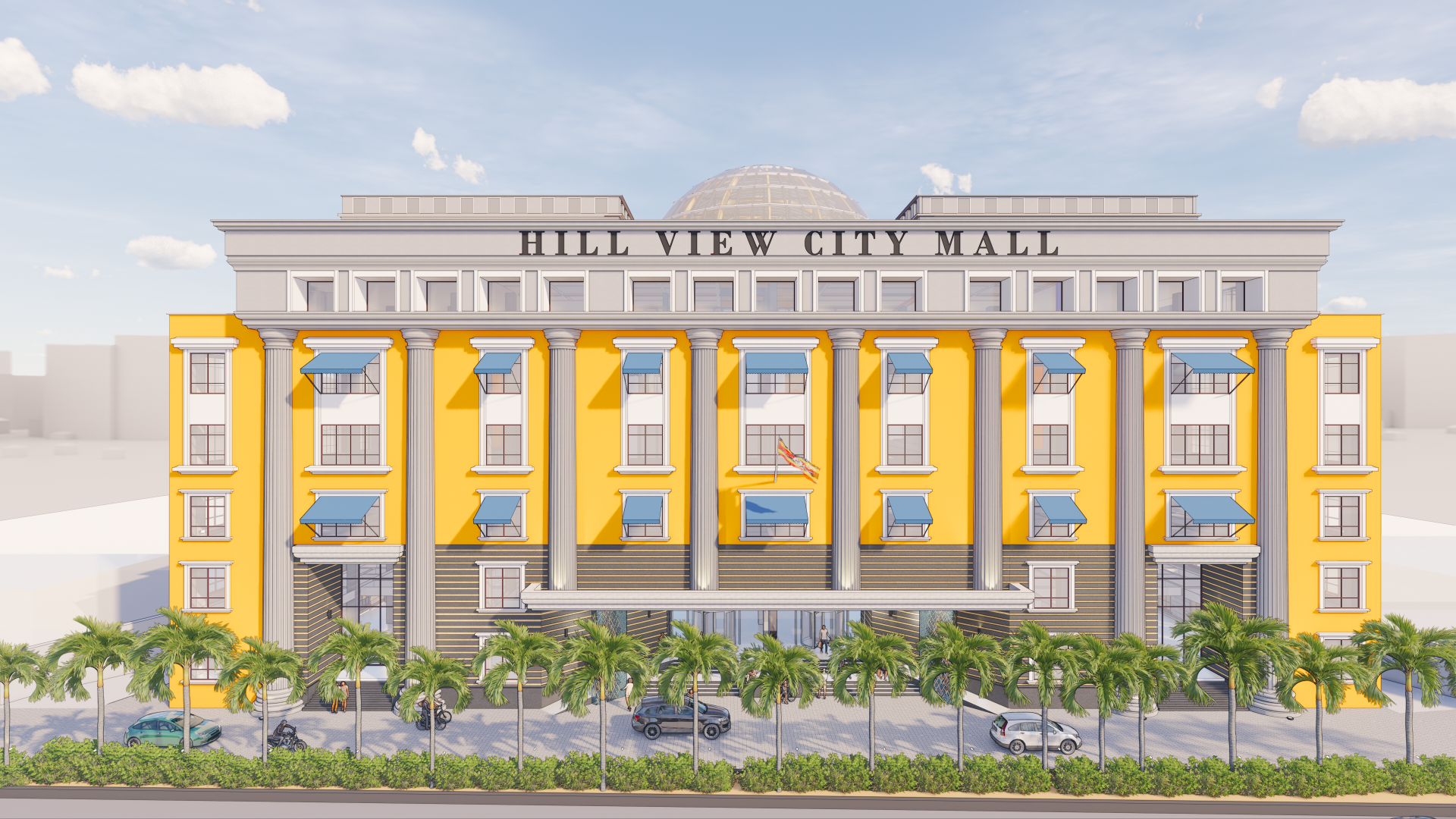
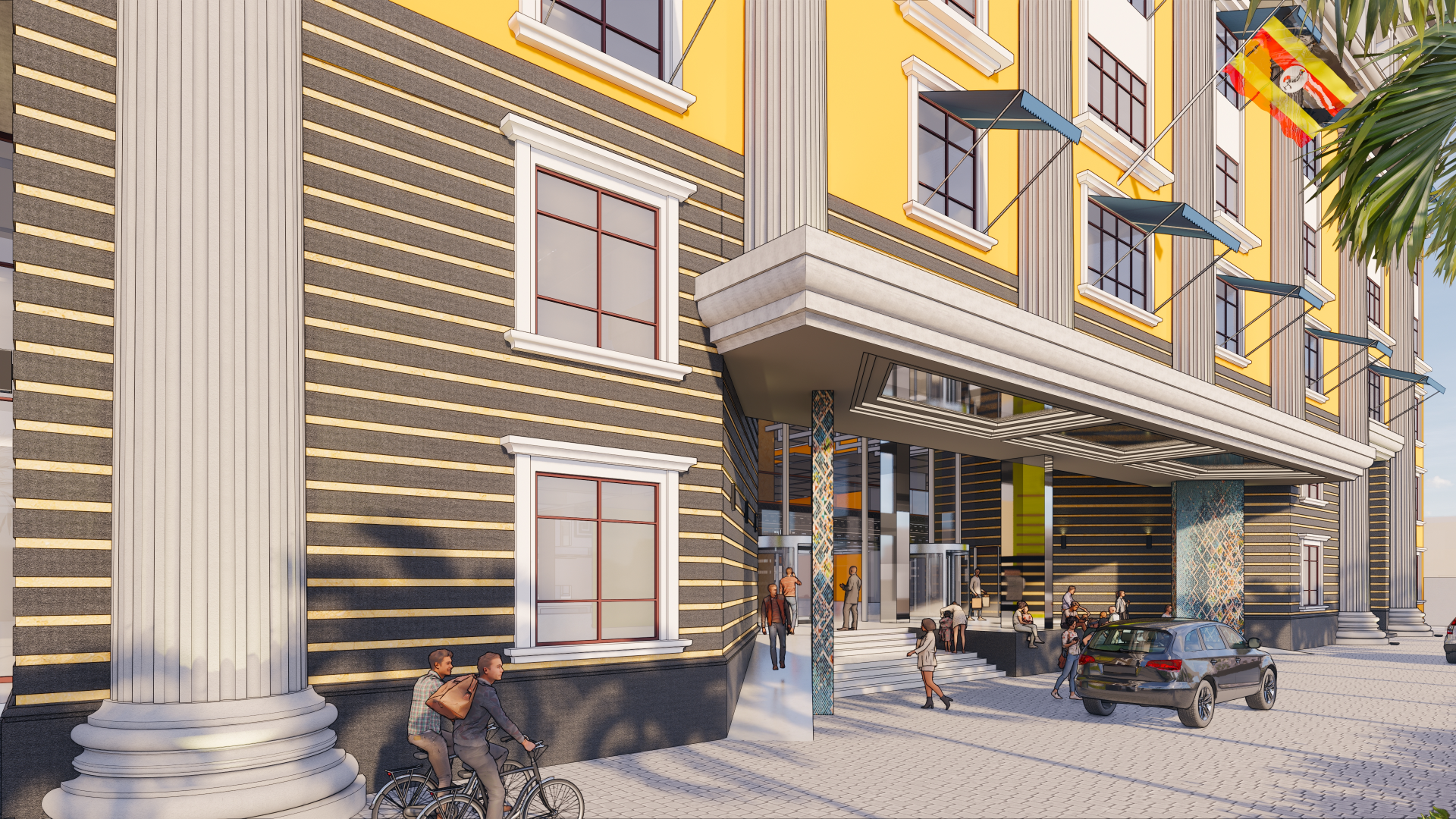
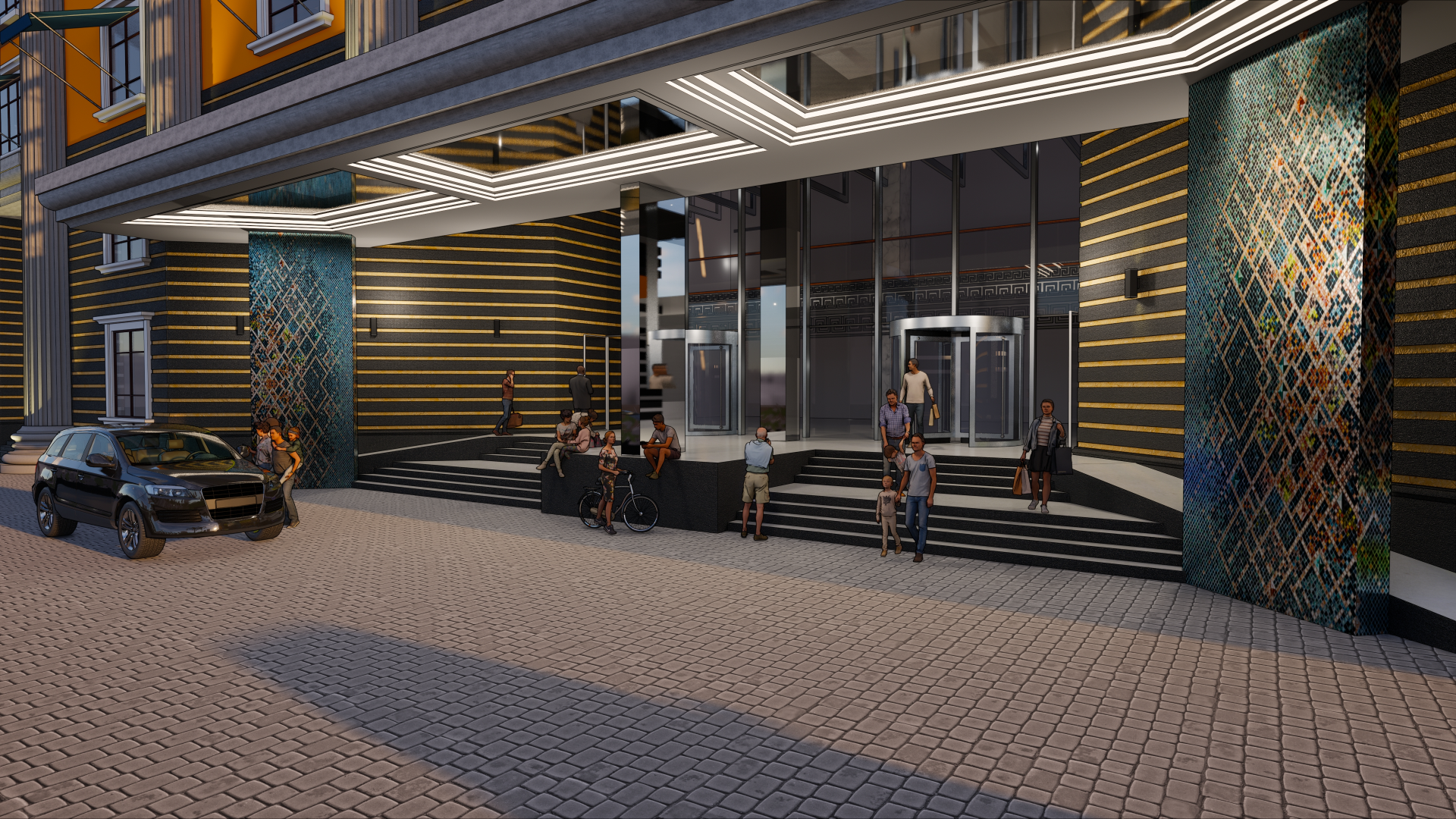
The architectural approach sought to strike a balance between colonial-era influences—deeply embedded in Ugandan architectural memory—and a sleek, contemporary language suited to a new era. The resulting design fused classical proportions and forms with modern materials and sustainable technologies.
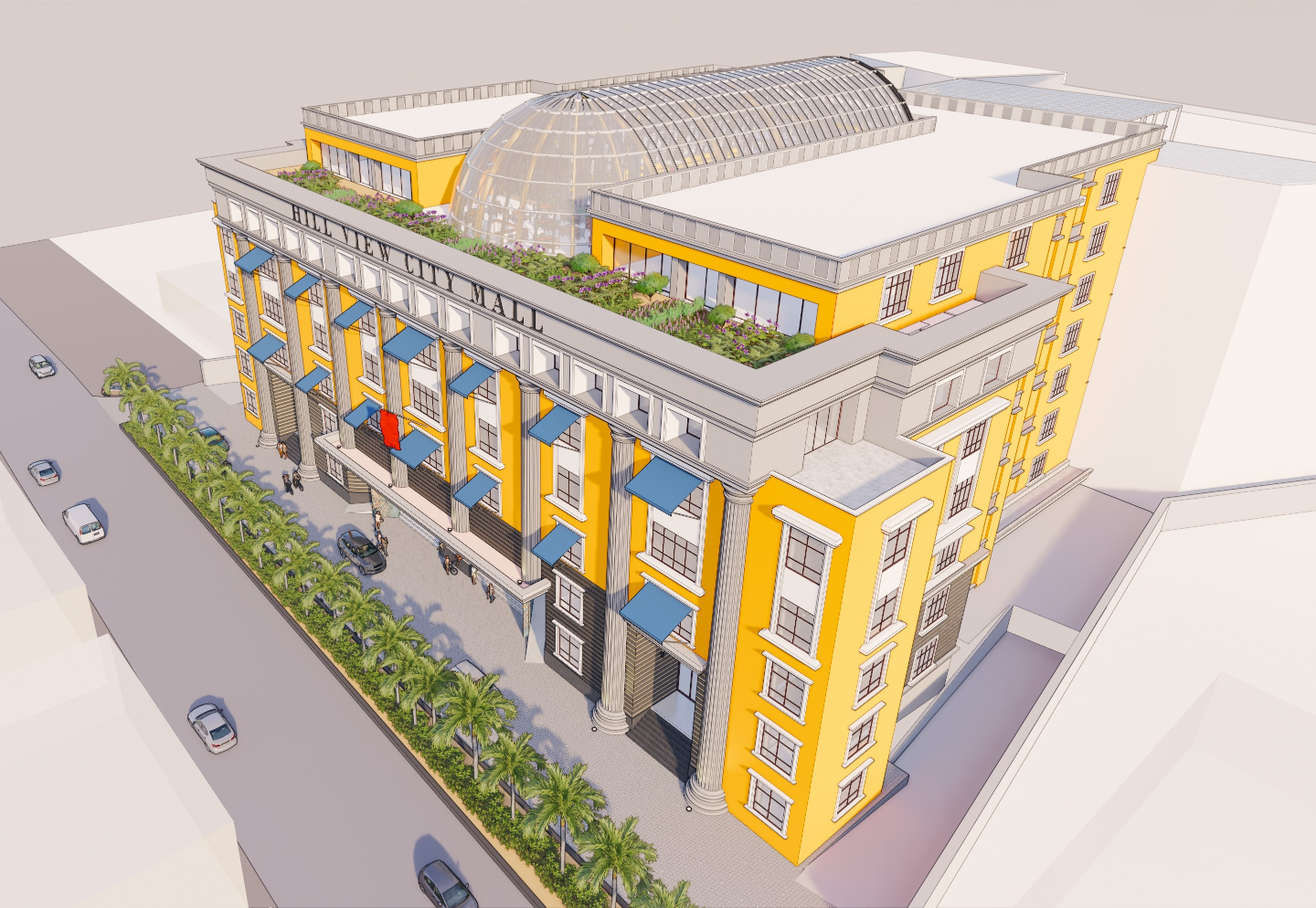
The building was articulated in two distinct blocks:
Front Block – The primary retail zone, housing multiple levels of shopping, dining, and entertainment.
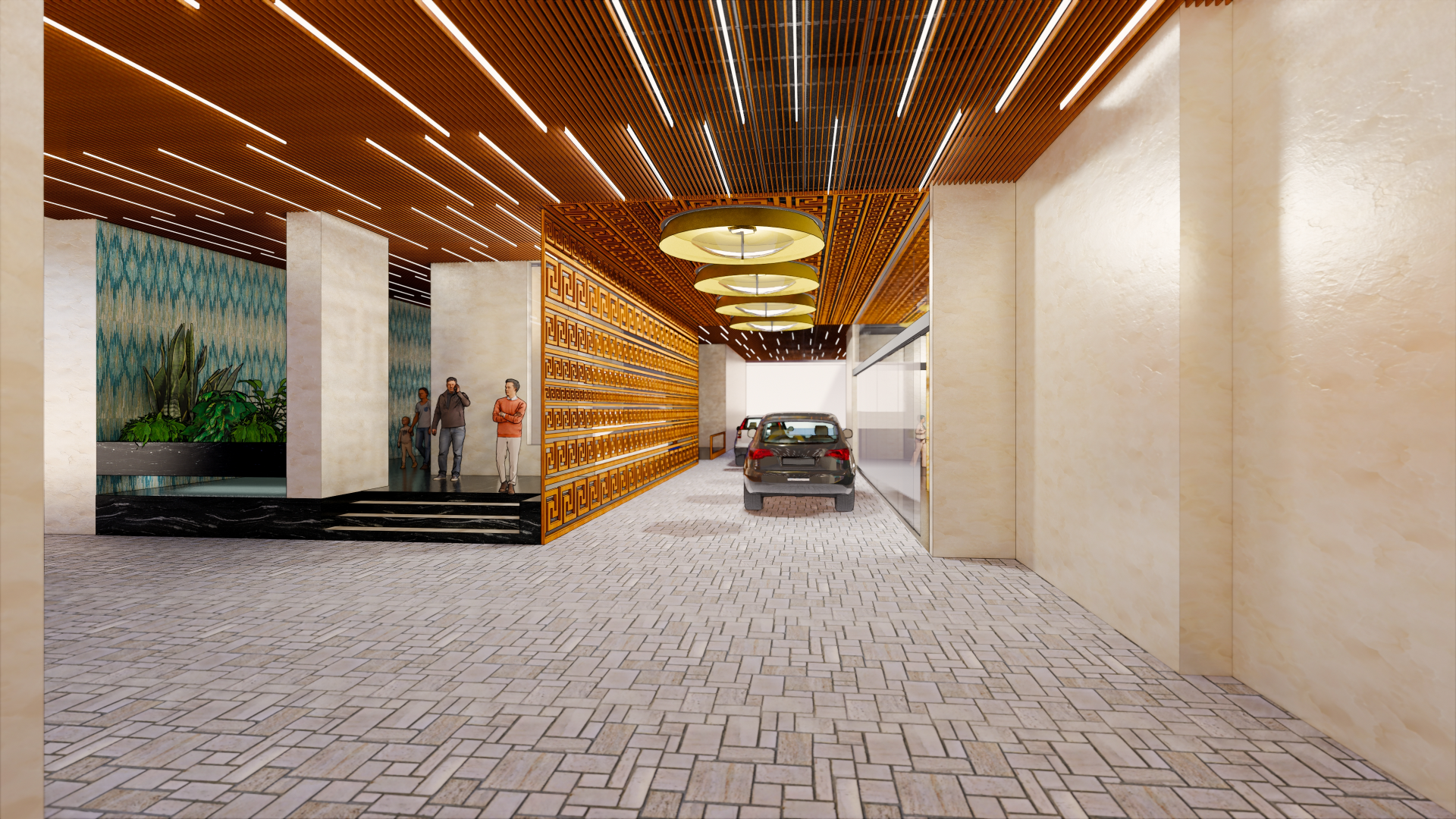
Rear Block – Dedicated to services and multi-level parking. This tiered parking structure was thoughtfully integrated to allow users to park on levels that corresponded with the mall floors they intended to visit—enhancing both convenience and efficiency.
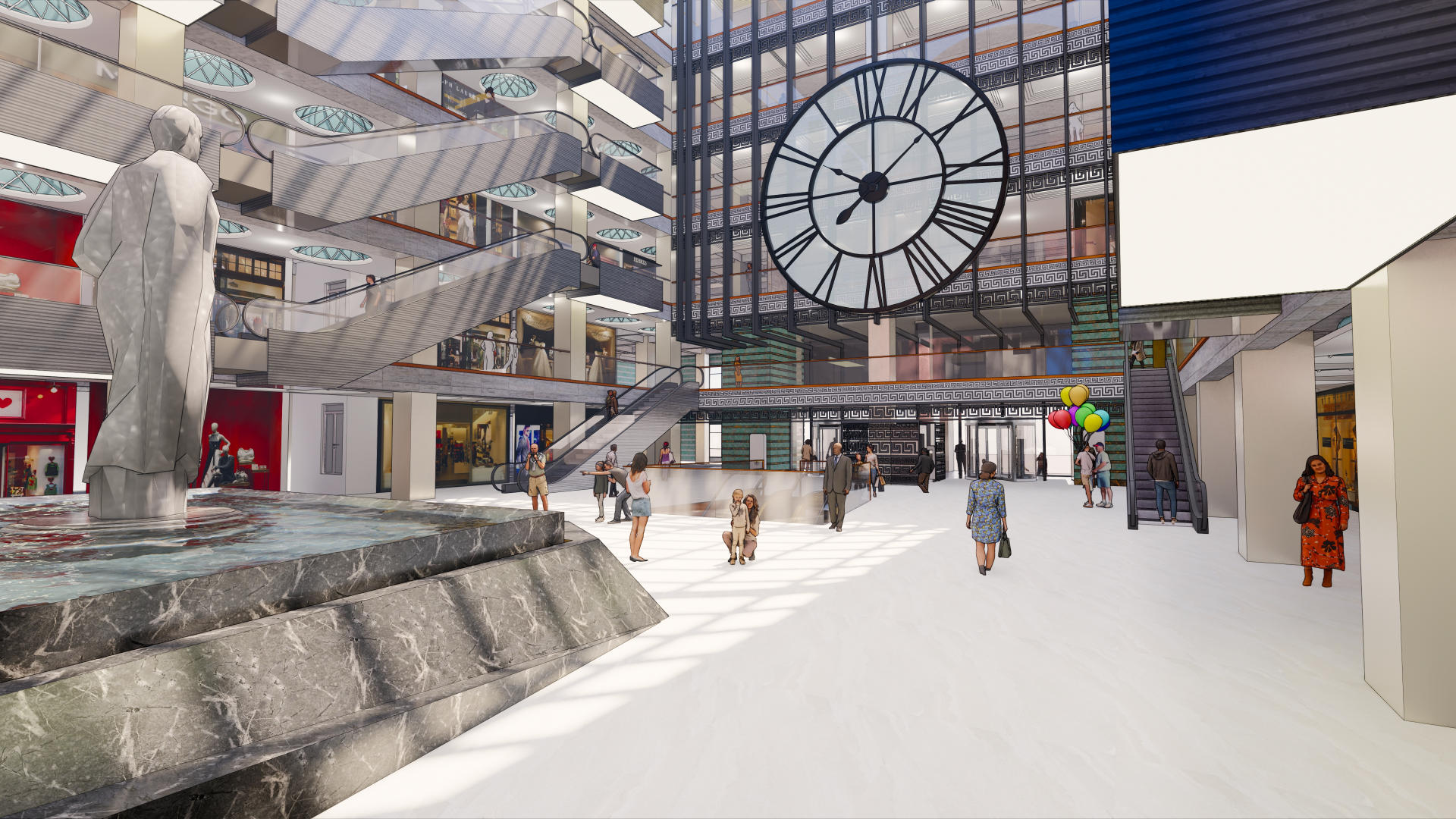
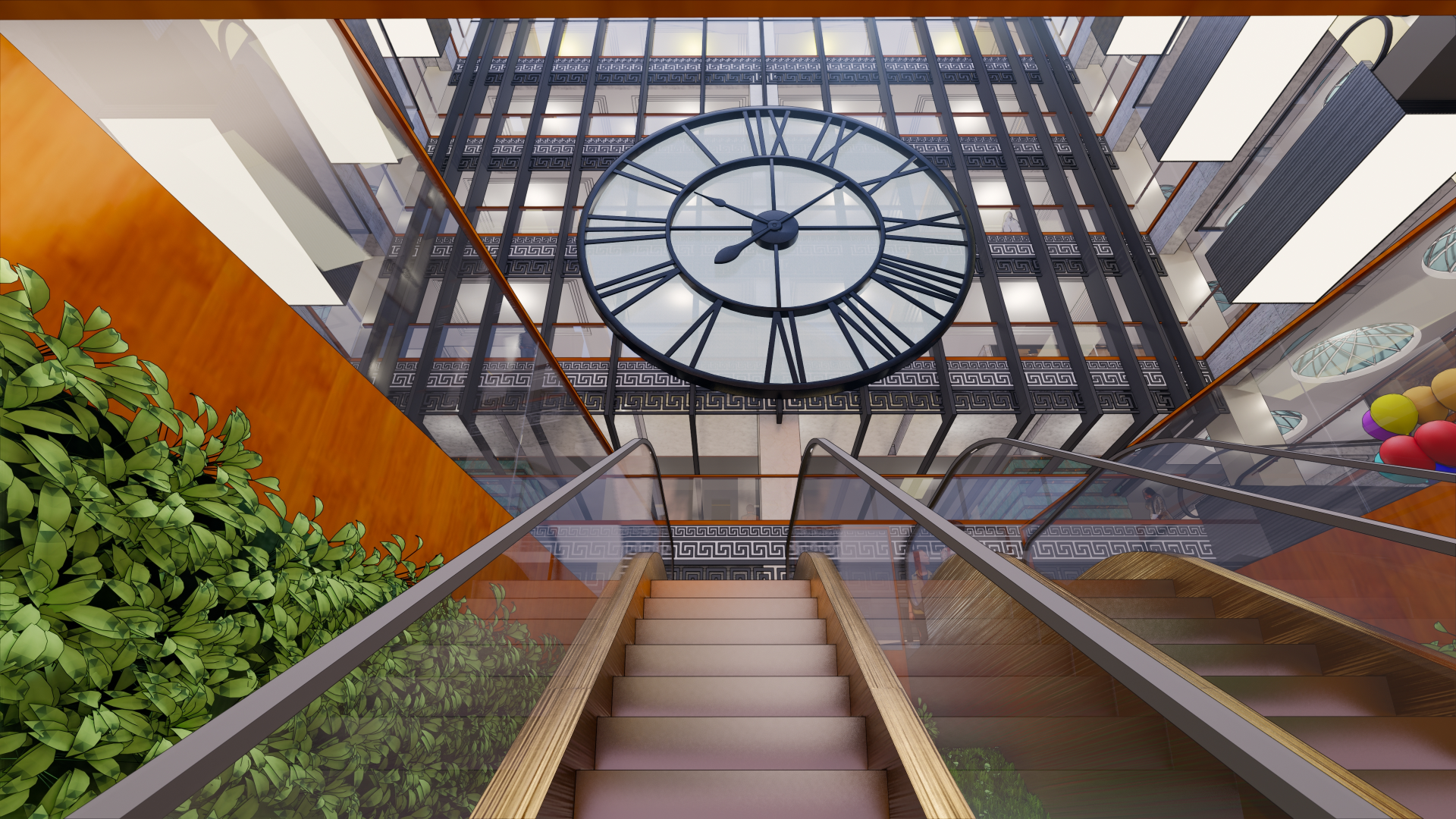
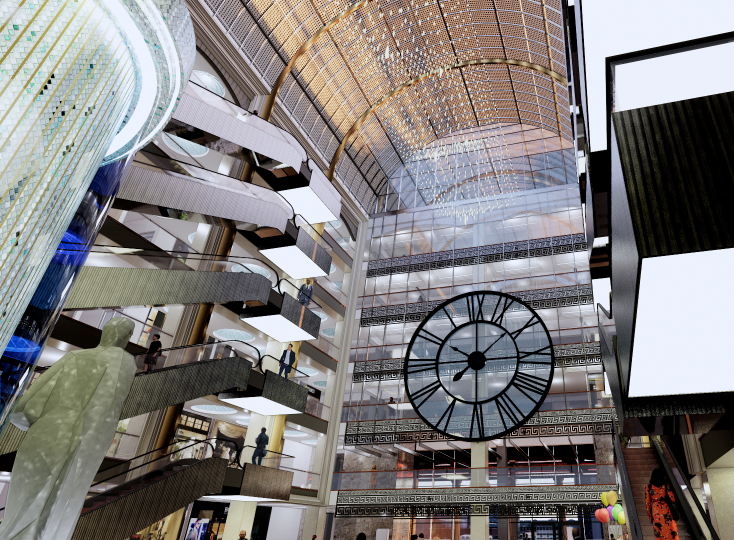
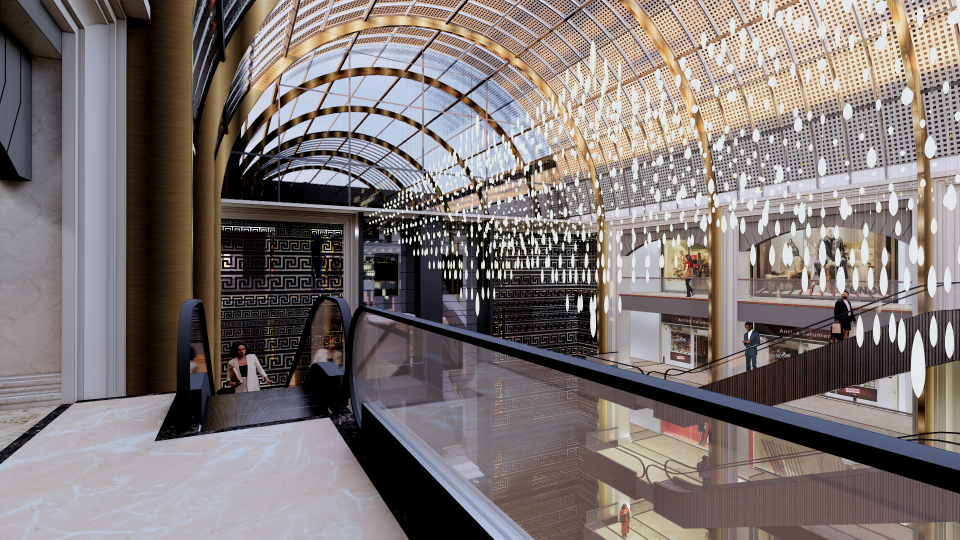
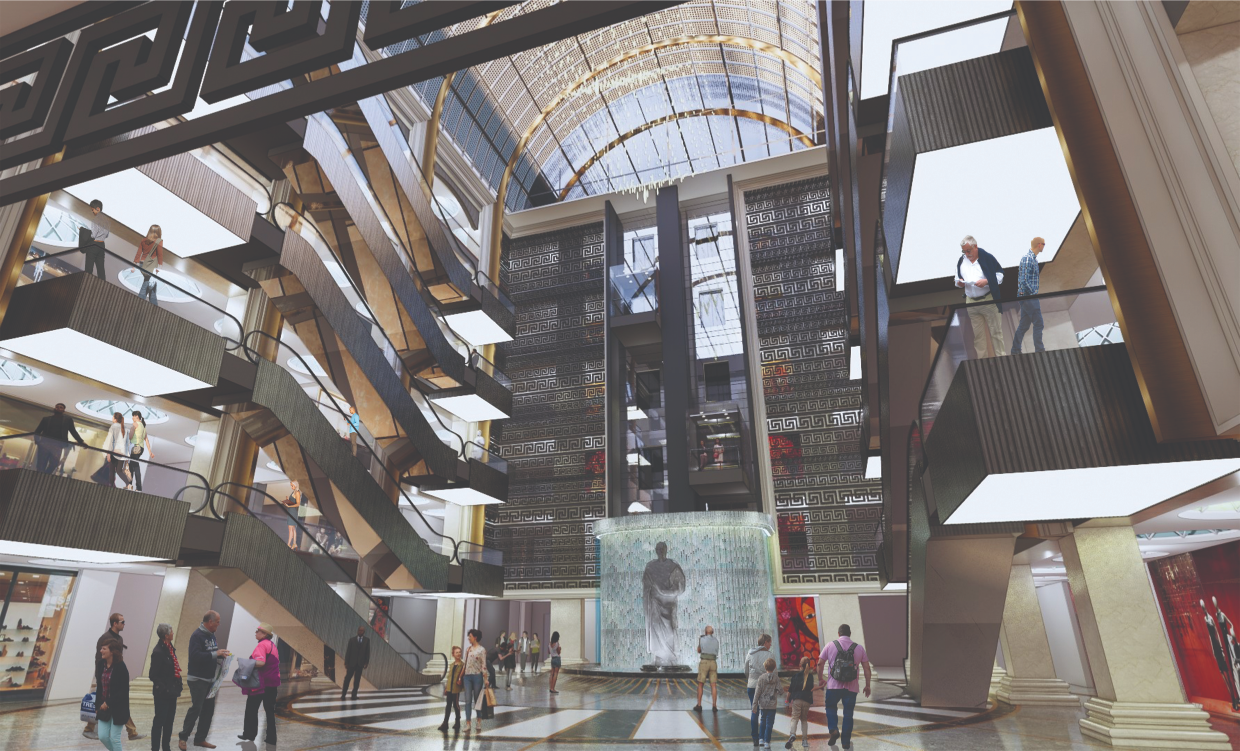
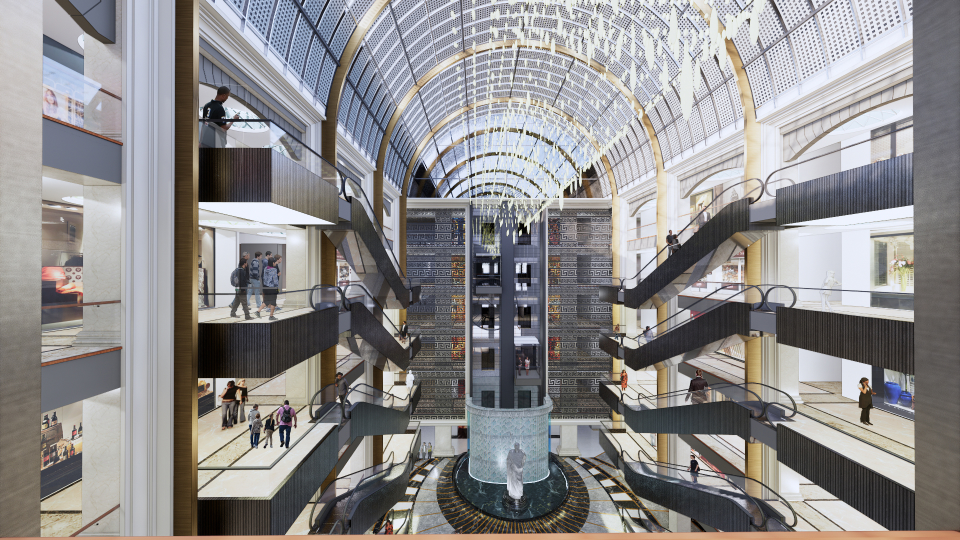
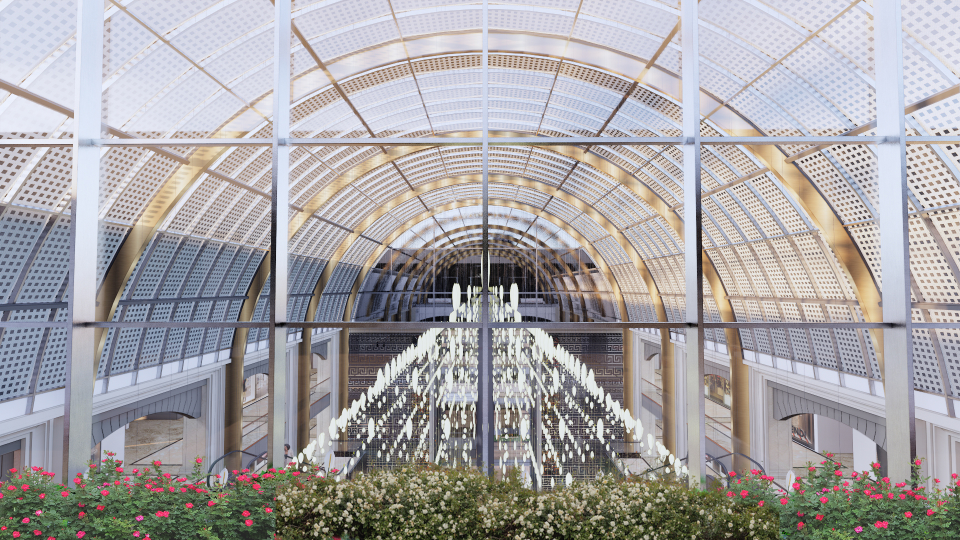
At the heart of the mall lies a grand central atrium, crowned by a dramatic glass vault that culminates in a copper-clad dome at one end. Beneath this dome sits an exclusive fine-dining restaurant, offering views across the bustling atrium below. Suspended from the dome is a custom-designed chandelier, running the entire length of the atrium—a luminous centerpiece that adds a sense of grandeur and festivity.
The glass vault is supported by a patinated copper structure embedded with solar cells, designed to generate sufficient power to illuminate all the mall’s common areas—an elegant fusion of form and sustainability.
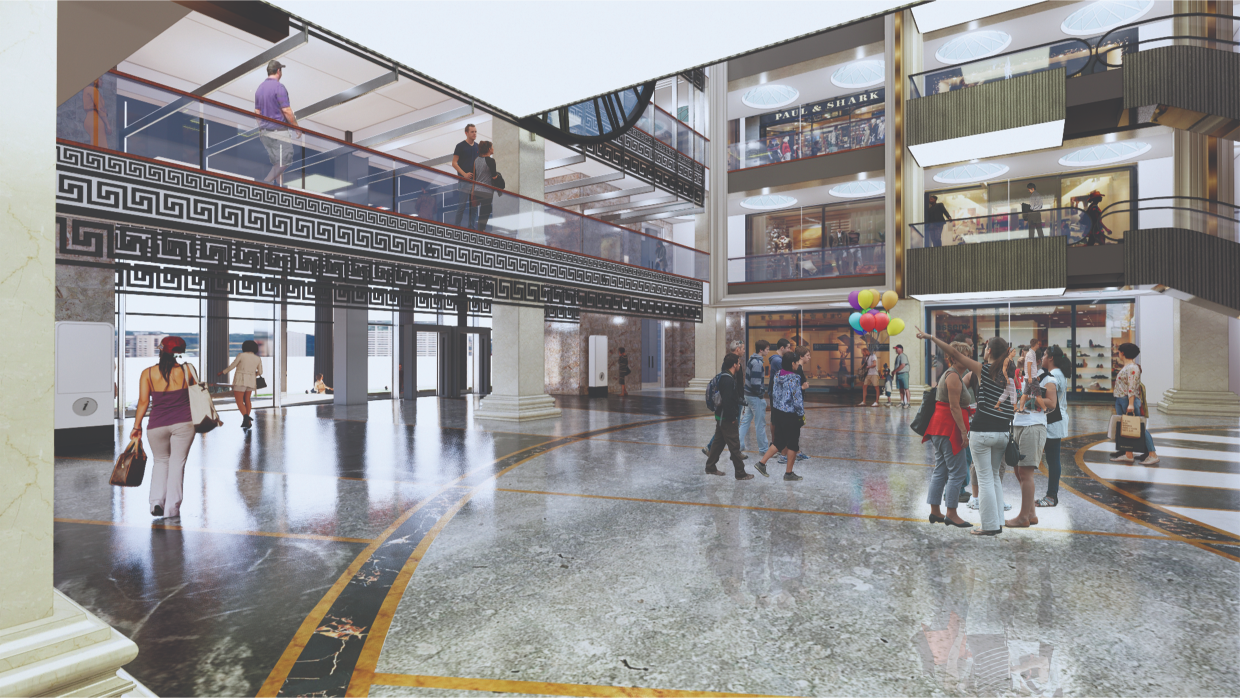
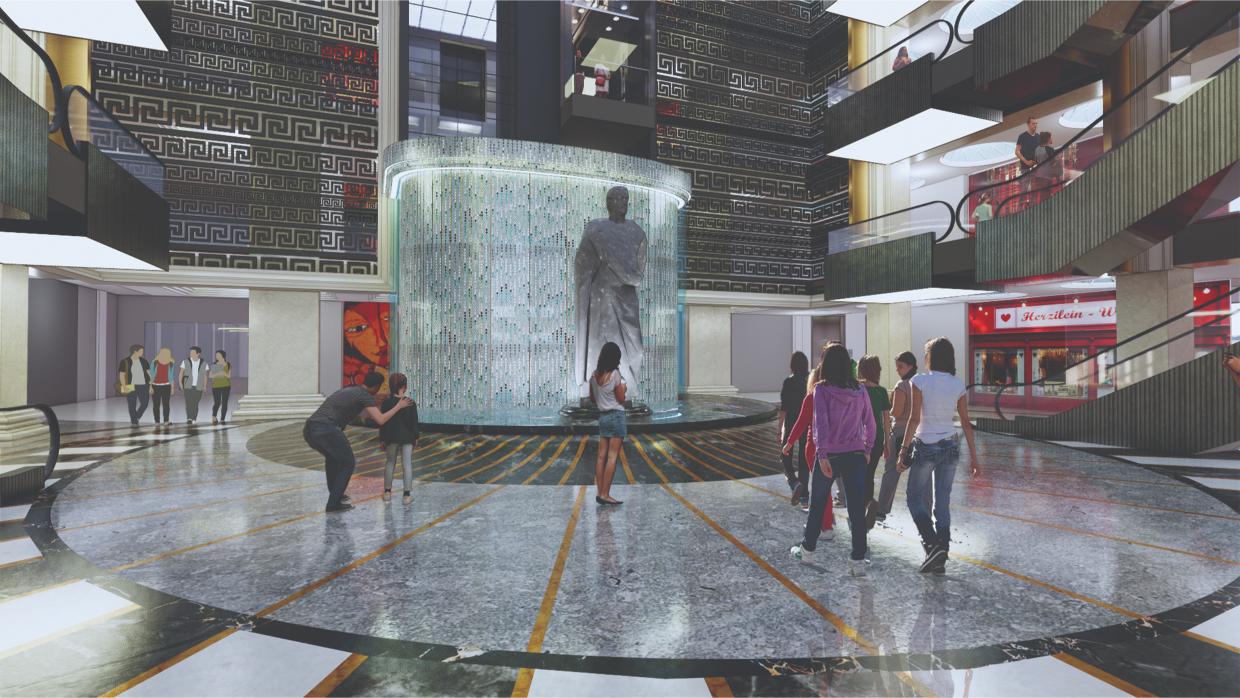
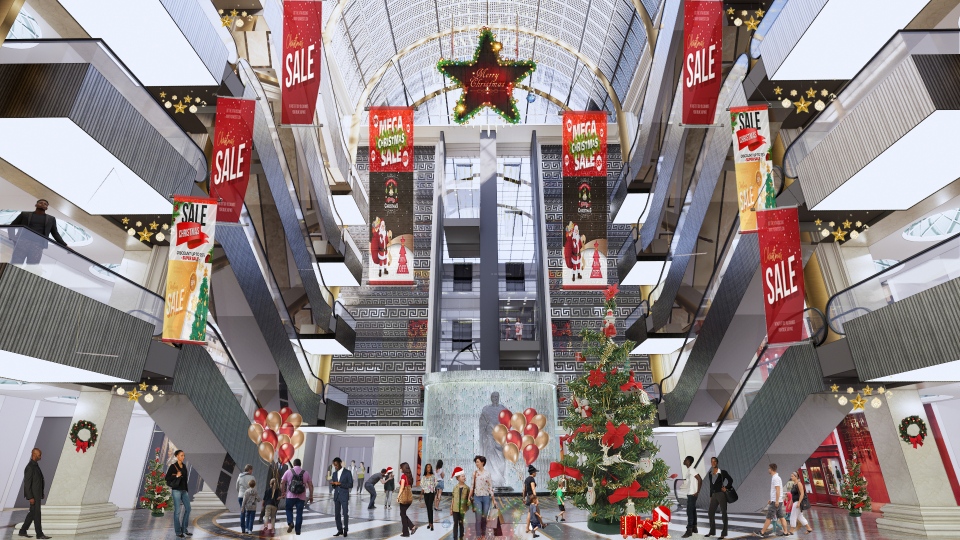
Internally, the layout emphasizes communal interaction, with generous circulation spaces and open zones designed to accommodate public gatherings, exhibitions, and festival celebrations. From local cultural events to seasonal promotions, the mall was designed to feel like an extension of the city—alive with people, performance, and purpose.